50 Hour Yoga Teacher Training
Deepen your practice. Transform your life. Share the gift of yoga
Course Overview
Duration
7 Days
Yoga Styles
Yin and Restorative
Dates
Starting every 3rd to 9th of the following months: October-February
Course Timeline
Check-in
2nd of a month from 13:00 PM
Opening Ceremony
3rd 7:30 PM
Closing ceremony
9th 4:30 PM
Check Out
10th of a month until 10:00 AM
RESIDENCE 01
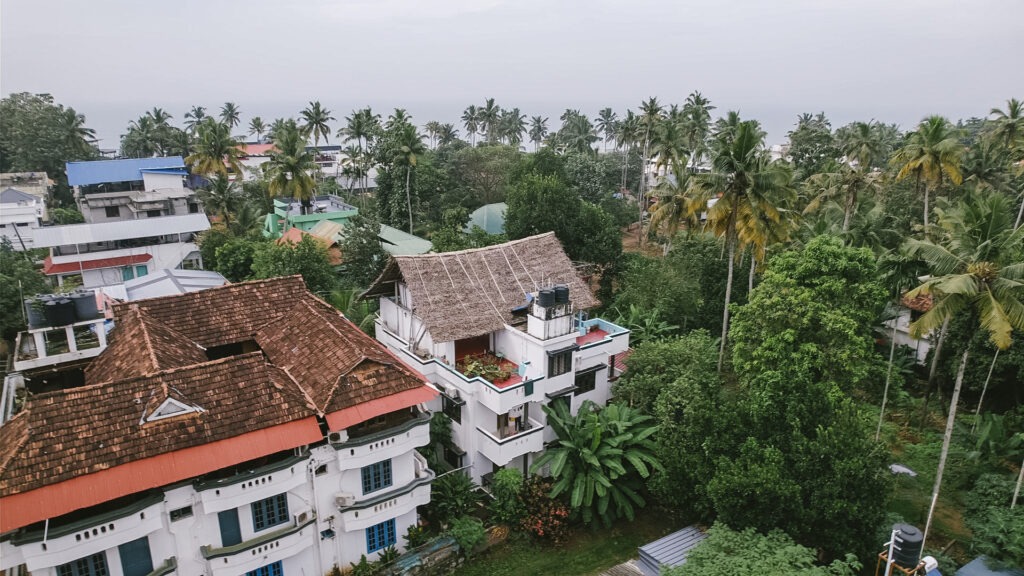
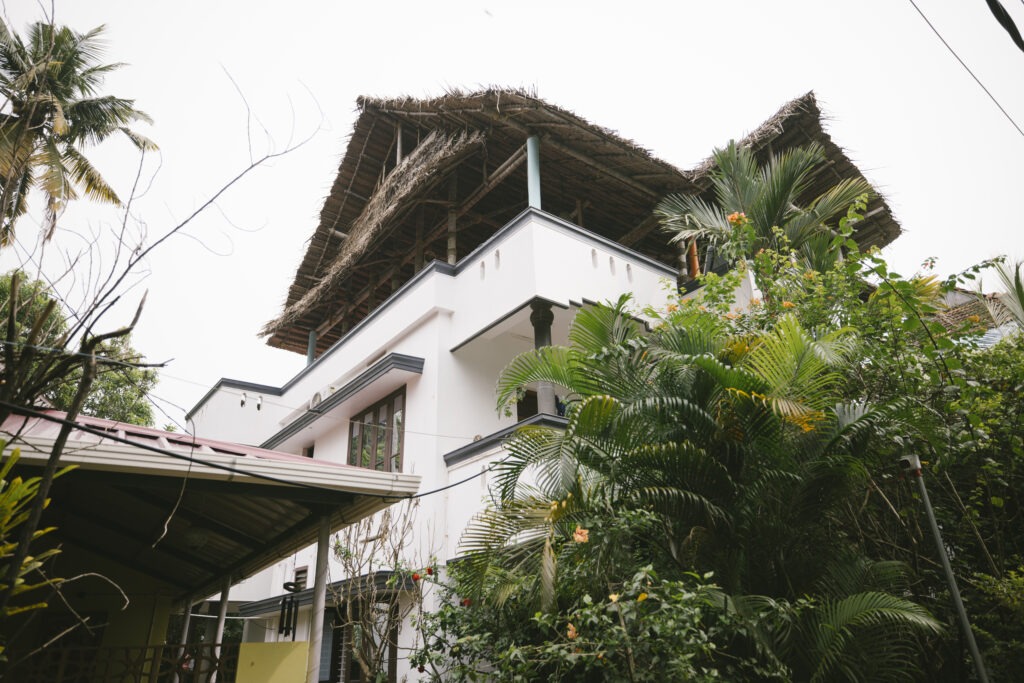
Shiva Rishi Yoga Center
Stay at the Heart of the School
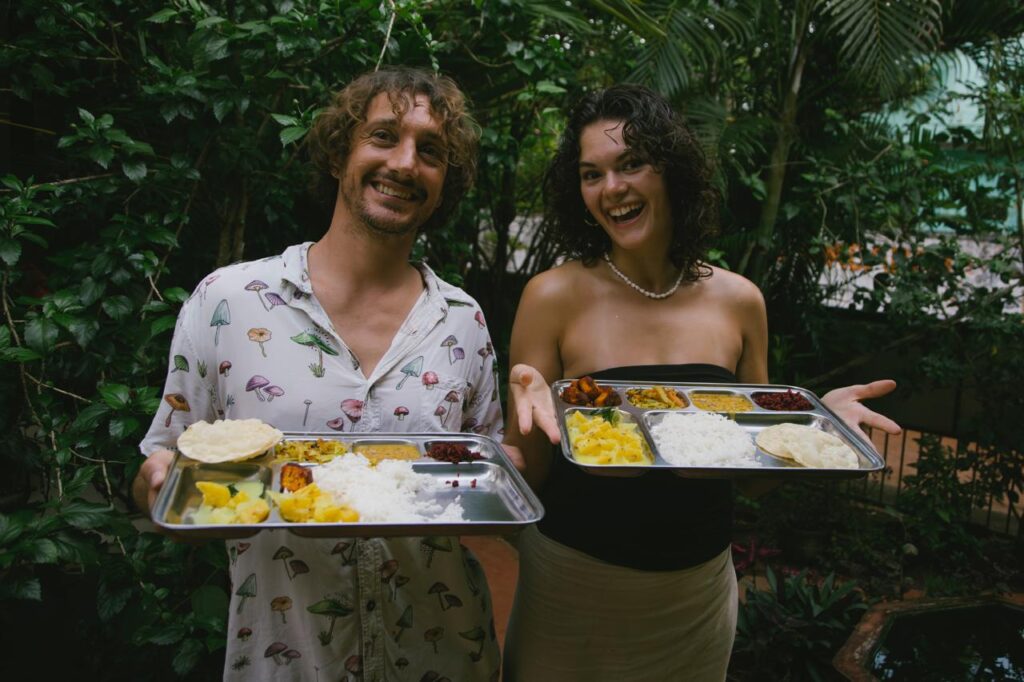
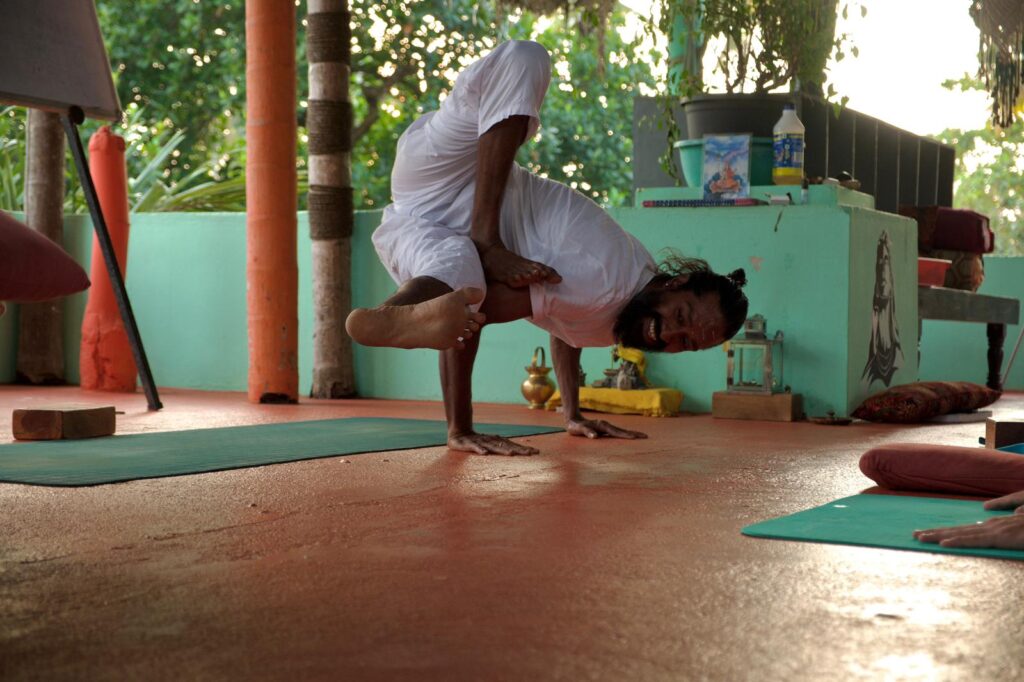
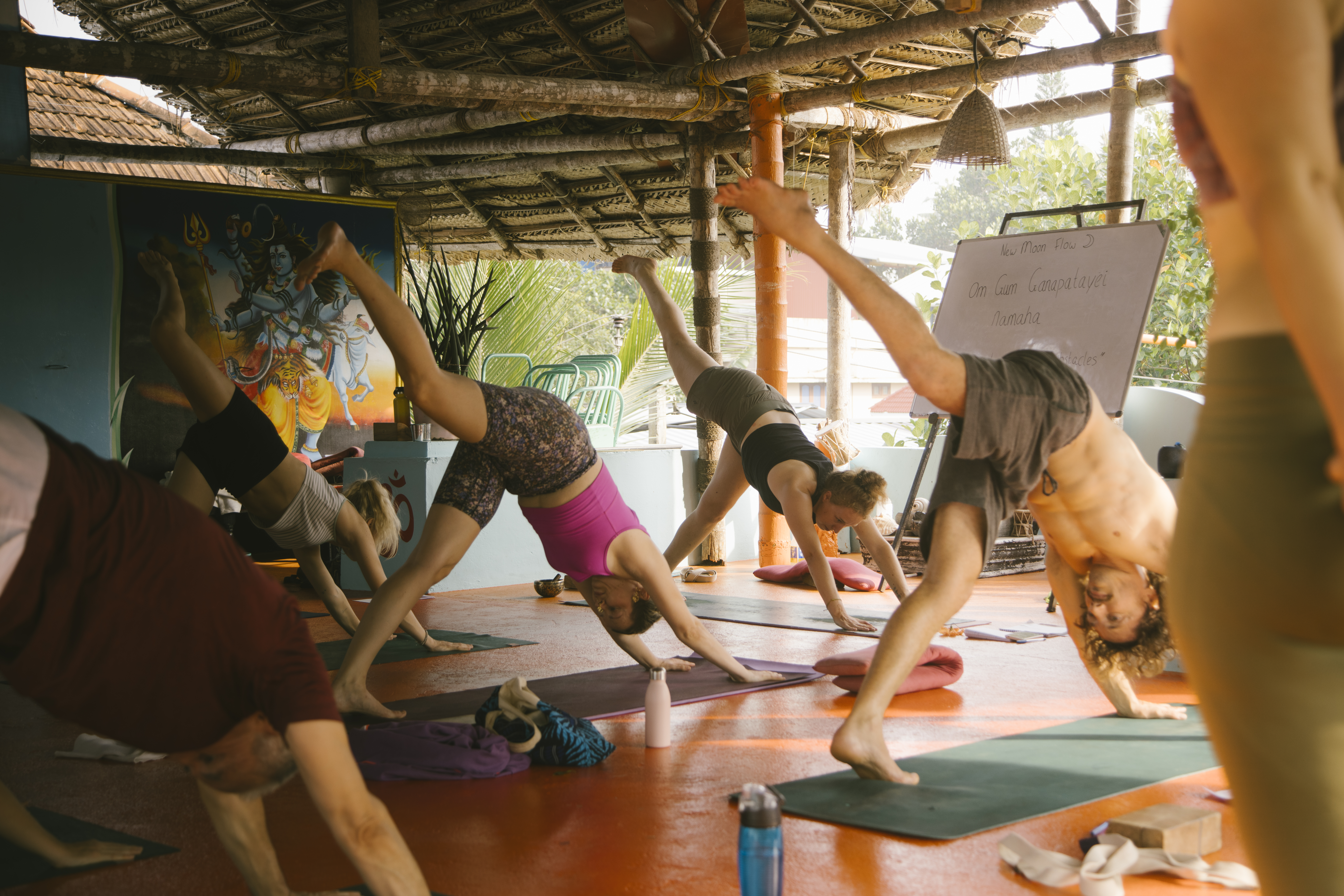
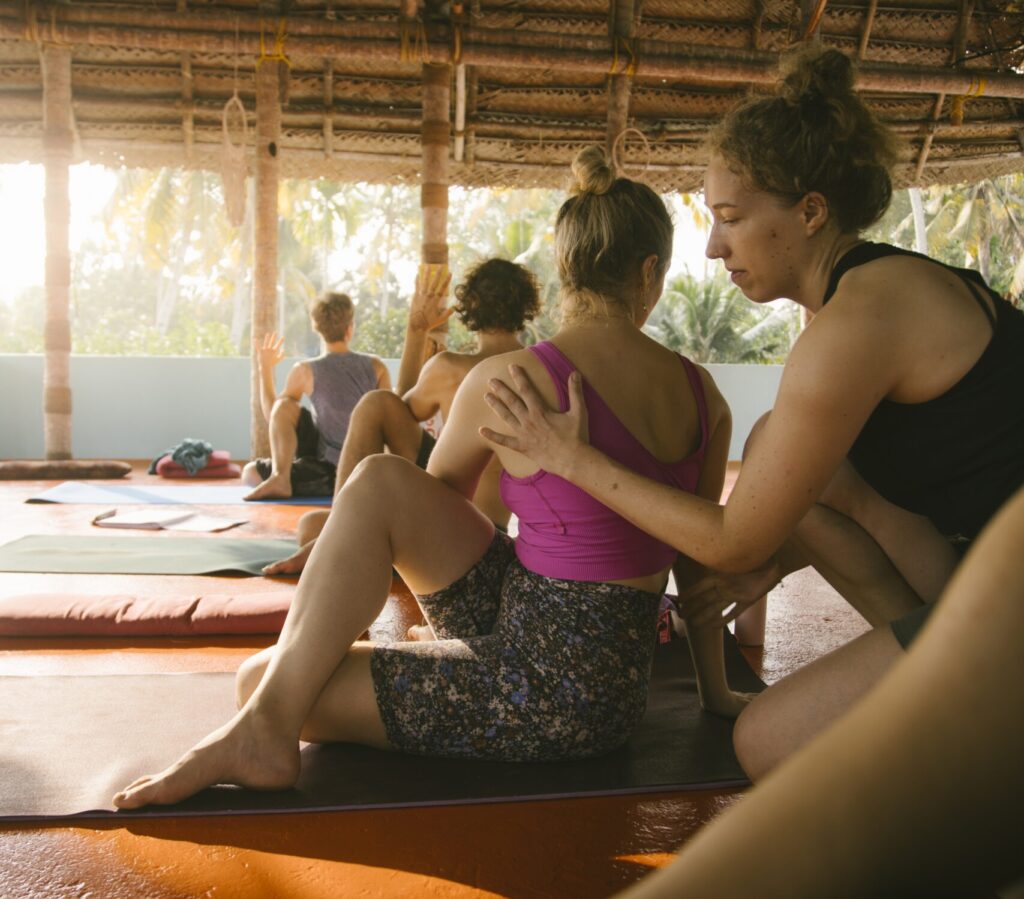
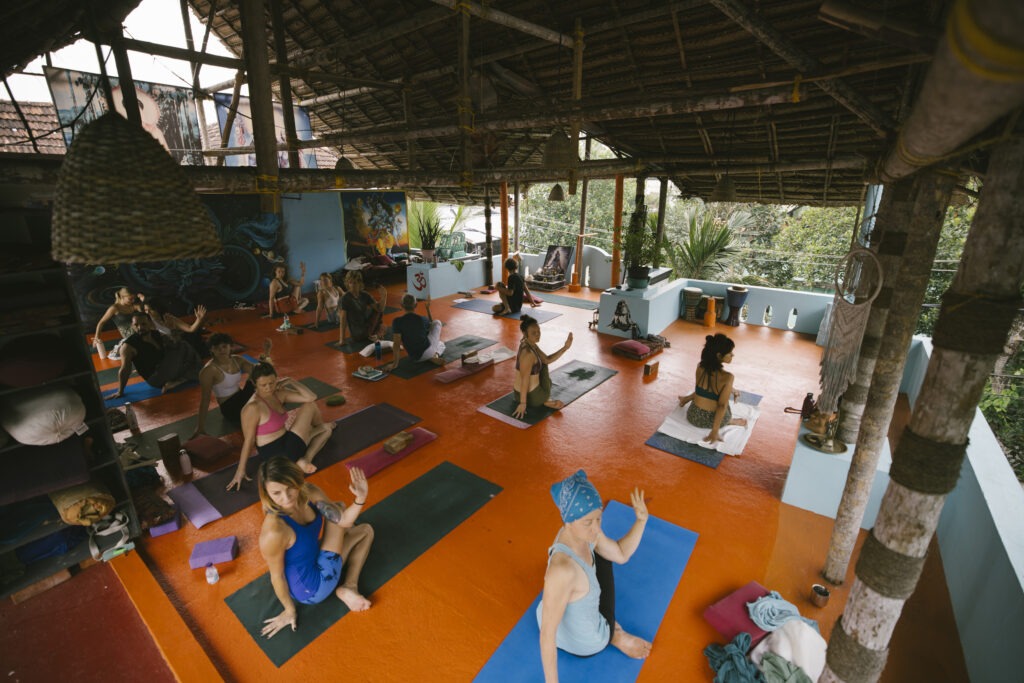
Located within Shiva Rishi Yoga School, Shiva Rishi Yoga Center offers the most connected and vibrant stay for students who wish to be at the center of the yogic experience. Here you are just steps away from the dining hall and our beautiful rooftop Yogashala, where daily classes take place with open views and peaceful energy.
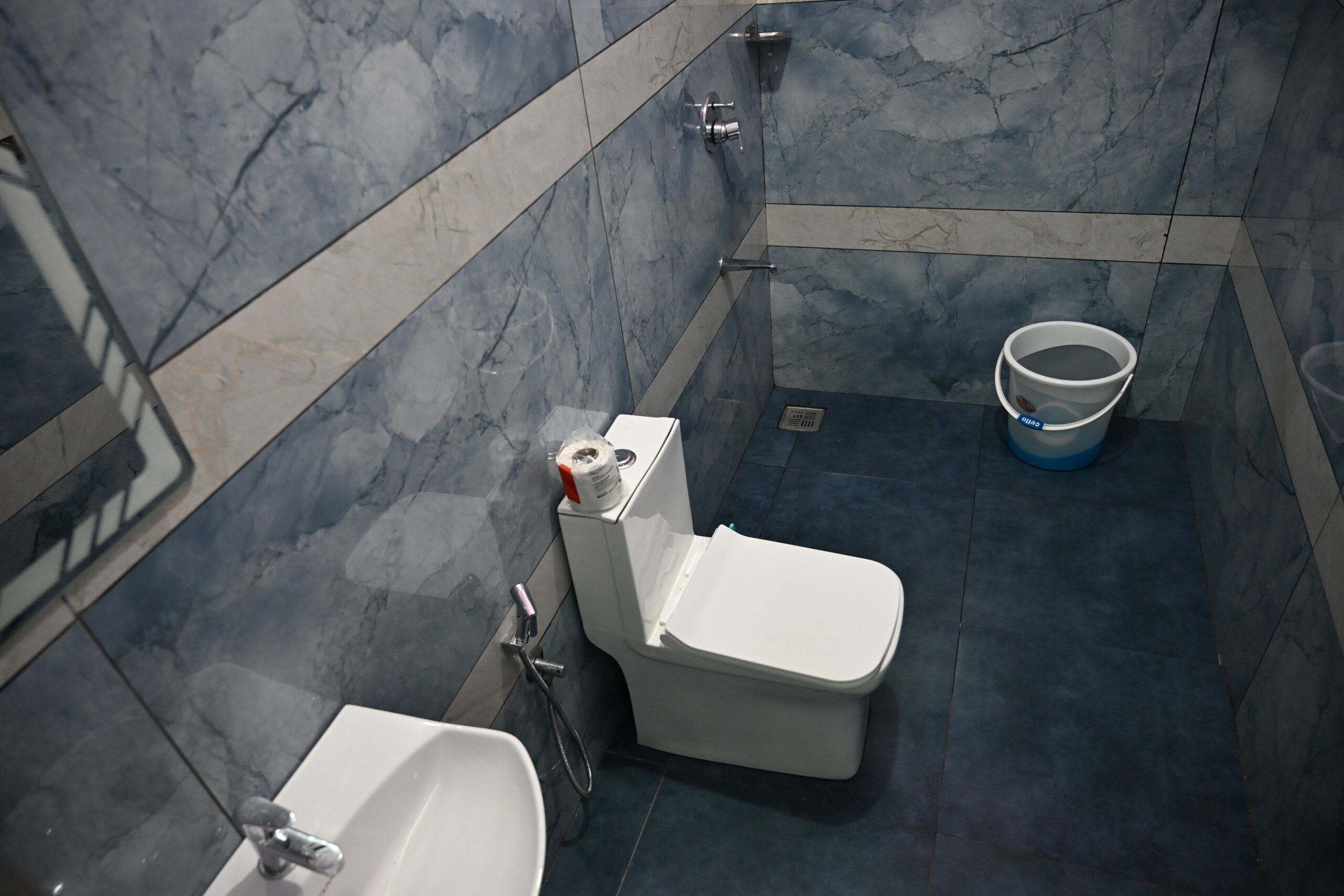
All rooms are bright and comfortable, each with a private balcony, private bathroom, mosquito net, fan, wardrobe, and study desk.
October-February
AC: +100€ optional
Prices: All inclusive 5% tax
- Private balcony
- Mosquito net
- Wardrobe
- Private bathroom
- Ceiling fan
- Study desk
RESIDENCE 02
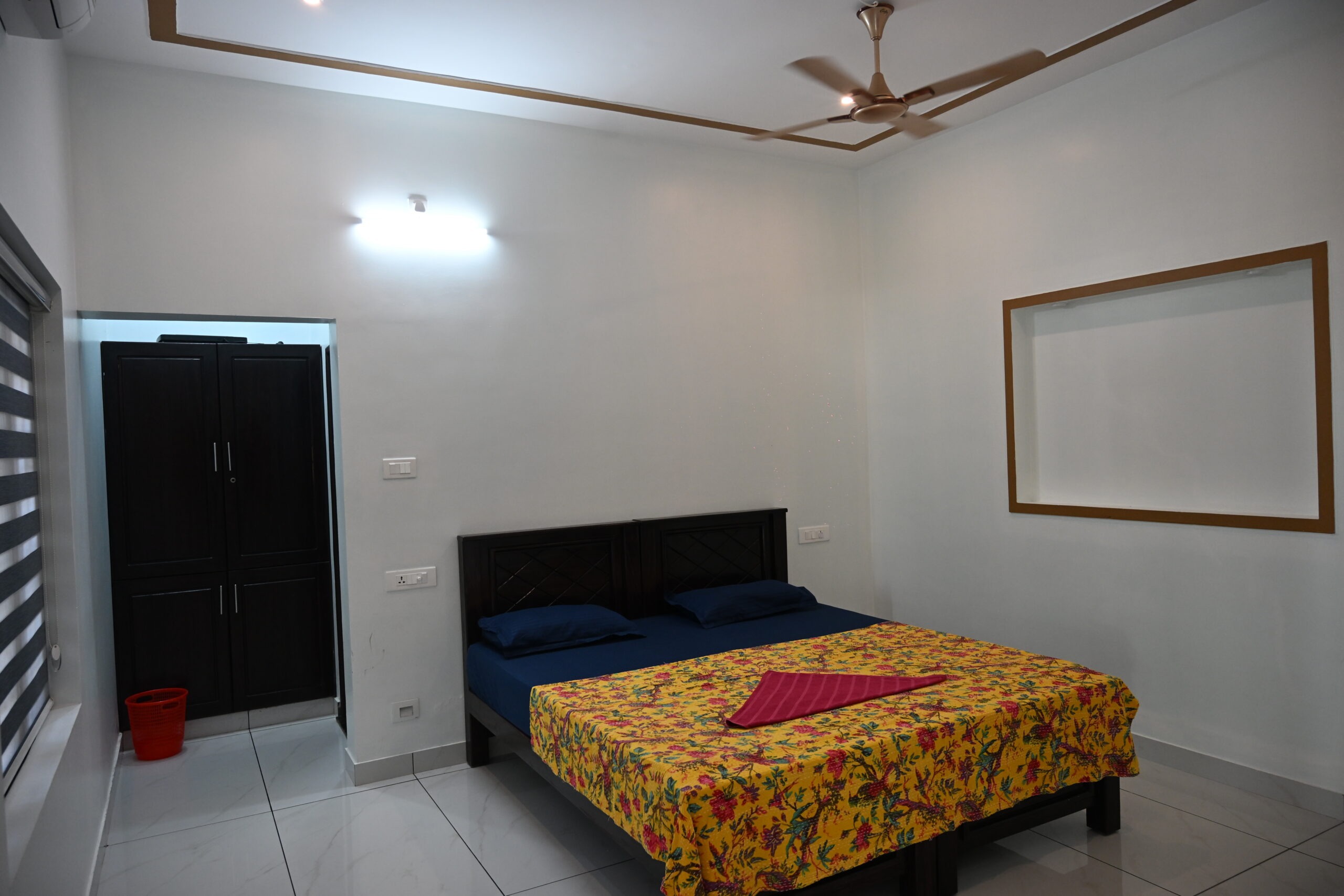
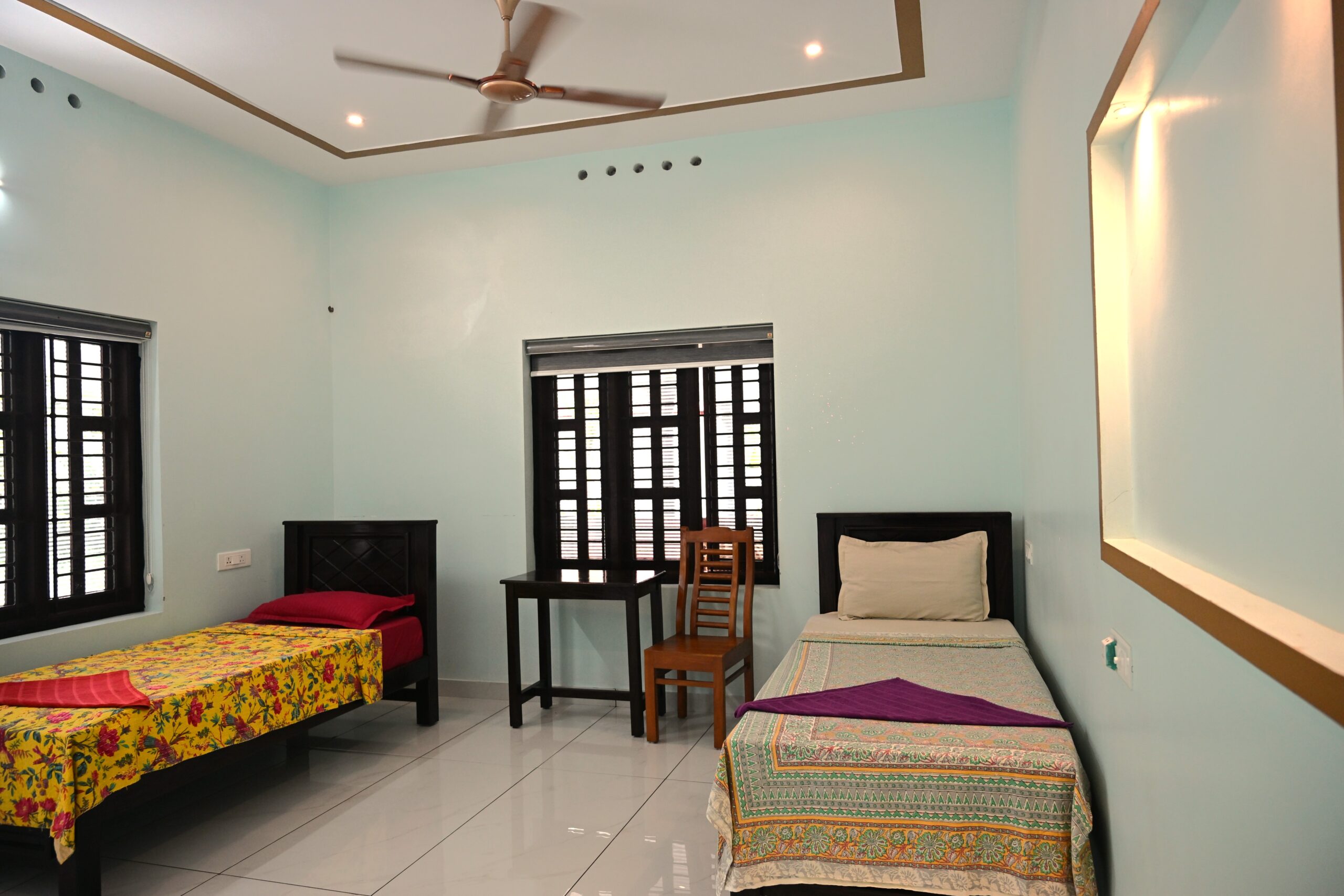
Shiva Mandala
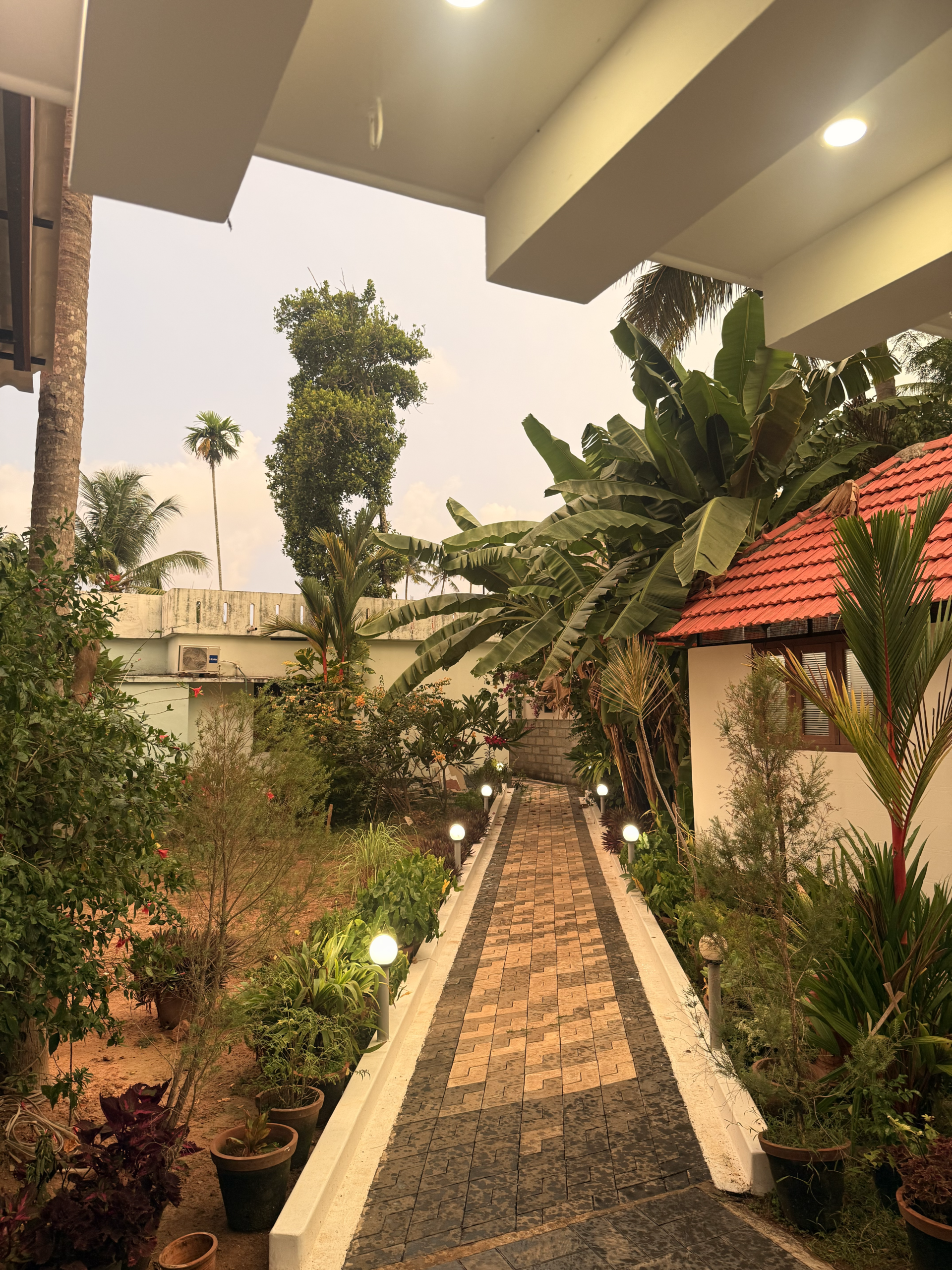
Quiet Garden Living
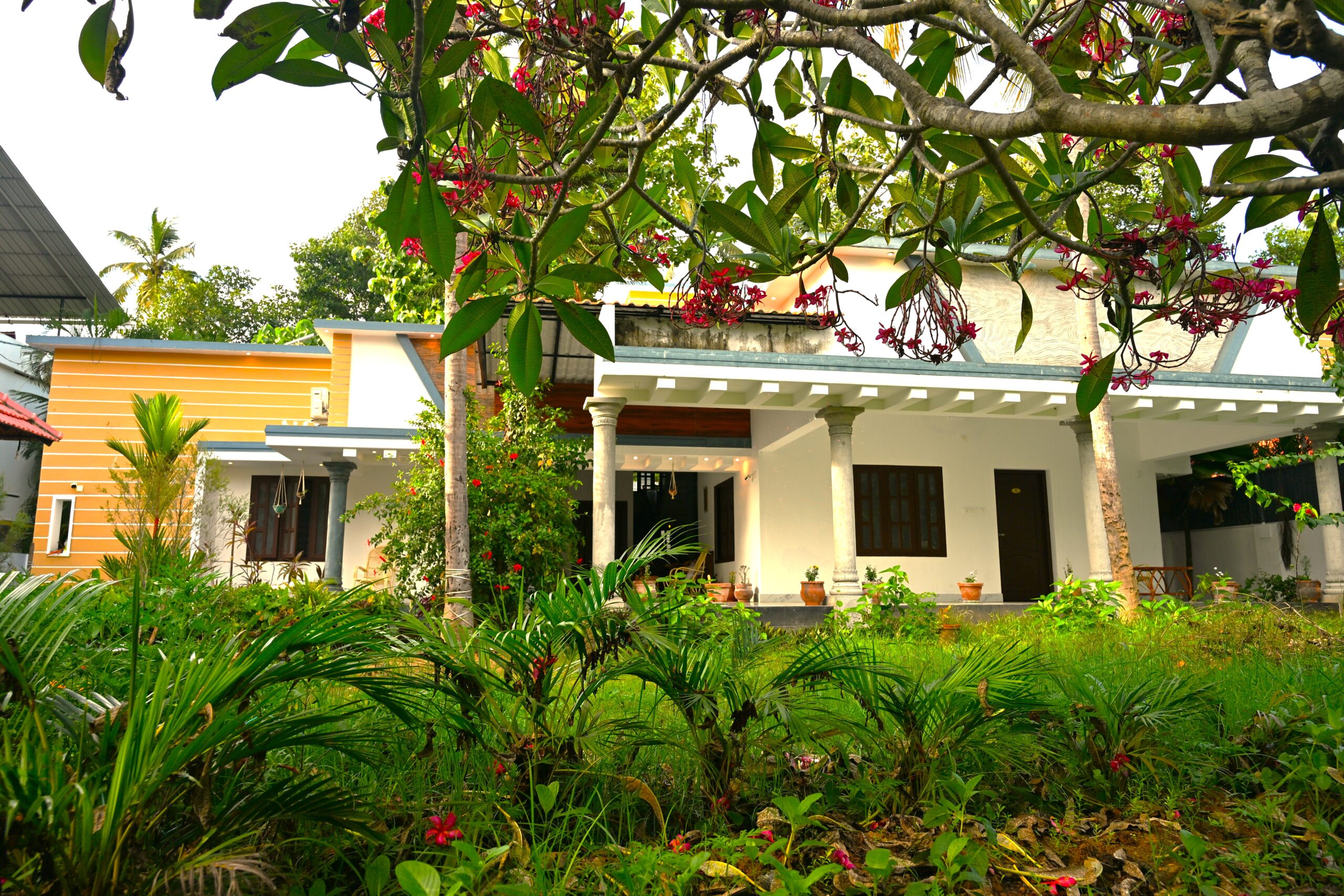
Just a gentle 2-minute walk from the school, Shiva Mandala offers a more peaceful and private atmosphere, ideal for guests seeking extra quiet, rest, and space. Surrounded by greenery and garden views, this house creates a calm sanctuary while still keeping you close to all classes and activities.
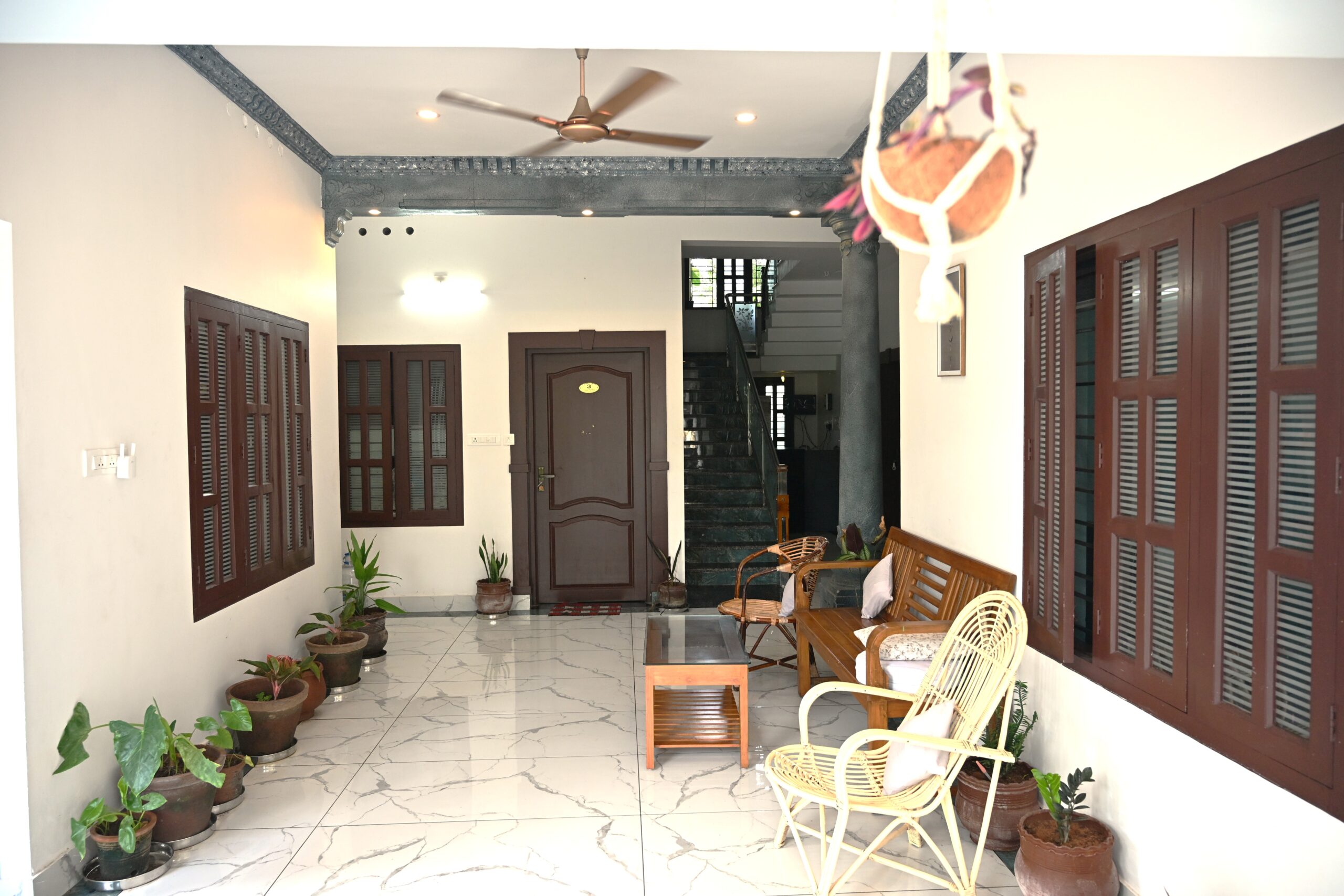
The rooms are modern, fresh, and each equipped with a ceiling fan, wardrobe, study desk, and quality furnishings.
October-February
AC: +100€ optional (entire stay)
Prices: All inclusive 5% tax
- Garden views
- Wardrobe
- Quality furnishings
- Ceiling fan
- Study desk
- Peaceful surroundings




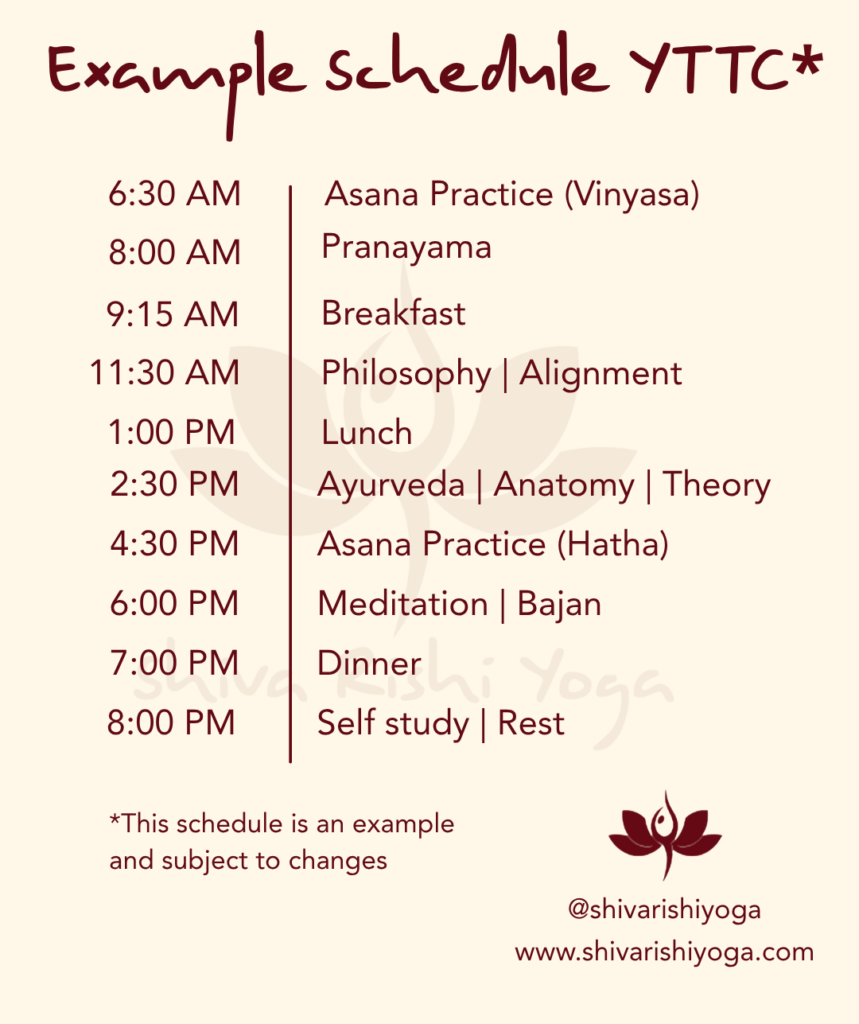
Curriculum
According to the standards set by Yoga Alliance the training divides in 5 blocks:
- Standing Asanas
Asanas stretch and strengthens back, shoulders and leg muscles. This is especially important to relieve stiffness and back pain difficulties, which increasingly arise in modern times through long hours of sitting. In this section you will learn common standing postures, how to explain their benefits, and experience their balancing effects on the root chakra. We will further discuss how to provide effective verbal cues to direct practitioners coming in and out of the poses, how to verbally adjust, and how to breathe properly.
- Bending Postures
Bending asanas loosen the back by separating vertebras and improve blood circulation around the spine. This brings vitalizing and overall health improving effects on all organs and the brain. You will receive analytical training by demonstration, conversation and the use of the TTC guidebook in how to teach, practice and adjust bending postures. The learning objects herein are to explain bending postures and their benefits; verbalize and demonstrate alignments; be aware of common misalignments and risk factors; learn how to direct practitioners coming in and out; and how to breath in these positions.
- Pranayama
Pranayama is considered to be the foundation of yoga. It is perhaps the most essential aspect of yoga and life. Pranayama is the best precursor for calming and centering the mind for meditation. Pranayama regulates prana flow in the nadis of the pranamaya kosha. Through practice, observation, and discussion you will learn most common breathing techniques, how to explain benefits, and how to direct practitioners through these exercises. We will also practice pranayama on occasional spiritual trips and breath the fresh air in the mountains or on the rocks by the sea shore. Learning objectives are to get an overview and practice experience of multiple pranayama techniques and learn to use powerful breath workout and pranayama techniques to: detoxify your body, balance hormones, boost immunity and energy, calm the mind, awaken your full potential to discover the true nature of the self, and brings you deeper into the yoga practice. When the mind is focused on the breath, the nervous system gets calmed down, and there is less stress on the body and it experiences better digestion and elimination. Regular practice of pranayama trains the lungs and improves the capacity of the respiratory system immensely (especially important during these covid times).
- Mudras
These are some of the most common hand mudras in pranayama practice
- Nasikagra mudras (nose tip position)
- Jnana mudra (psychic gesture of knowledge)
- Chin mudras (psychic gesture of consciousness)
- Chinmaya mudra (gesture of manifest consciousness)
- Aadi mudra (primal or first attitude)
- Mantras
According to Samkhya, one the schools of Hindu philosophy, the very first element that manifested itself in this plane was sound and that the element of sound itself originated from Lord Shiva’s Drum. Sanskrit mantras are energy-based sounds that have the power to vibrate and resonate throughout the entire body. Sound travels five times more efficiently through water than through air, and as the human body is comprised of more than 70% water, it is therefore an excellent conductor for both sound and vibration. The regular practice of mantras especially balance the agitations of manomaya kosha. Once a week we hold a Yajna yoga in the evening time with a puja with meditation, mantras, breathing techniques and offerings.
- Meditation
- What meditation is, and why it’s practiced
- Variety of meditation techniques and tools
- Quieting the mind to develop deeper levels of awareness
- Connecting with nature and the world you live in
- Connecting with the true Self
- The Art of Teaching curriculum includes
- Teaching clinics
- How to address a group of students
- How to use your own body as a teaching tool
- How to use your voice, volume, tempo, and pacing
- How to correct postures
- Choosing the right words
- Energy, passion, confidence, humor
- Using your own presence and Self-awareness as a transformative teaching tool
- The Business of Yoga
- Teacher guidelines & etiquette
- Appropriate conduct inside and outside the yoga room
- How to apply for a teaching position
- Teacher expectations
- Student interaction
- Role playing
- Feedback
Herein you will broaden your understanding about the physical anatomy of the human body and combine important aspects of postures and anatomy with contemplative and internal facets of yoga. Next to physical anatomy, we will go deeper into the realms of energy anatomy of Chakras, Kunadlini, Gunas, Tattwas, Koshas, Nadis & the Vayus.
Yoga Posture & Alignment
- How your bones determine the range of motion in all the yoga postures.
- How and why everyone does yoga postures differently and what they can do about it.
- How joint compression and muscle tension or resistance plays role in all the yoga asana.
- Learn muscular and skeleton restrictions for proper alignment.
- How to improve yoga posture for individuals
A yogic lifestyle is a journey to create unity on all levels. This means to live every day consciously, with a focused, calm mind, seeking inner perfection at all times. This teacher training places an emphasis on studying the vast heritage of yoga philosophy. By introducing the Samkhya system of evolution and discuss traditional texts (such as the Yoga Sutras by Patanjali) we will explore the eight limbs of Ashtanga Yoga in more detail and take a glimpse beyond the first limbs towards the ultimate goal of yoga. Next to getting inspiration from these sacred texts, it may make us recognize the importance of a firm foundation in these first limbs, as prerequisite to progress on this path of liberation -and how you, as prospective yoga teachers, can assist other beings along this journey. We are looking forward to inspiring conversations about the precept of non-violence (ahimsa), the concepts of dharma and karma, and finally the value of teaching yoga while being of service to others (seva).
Ayurveda
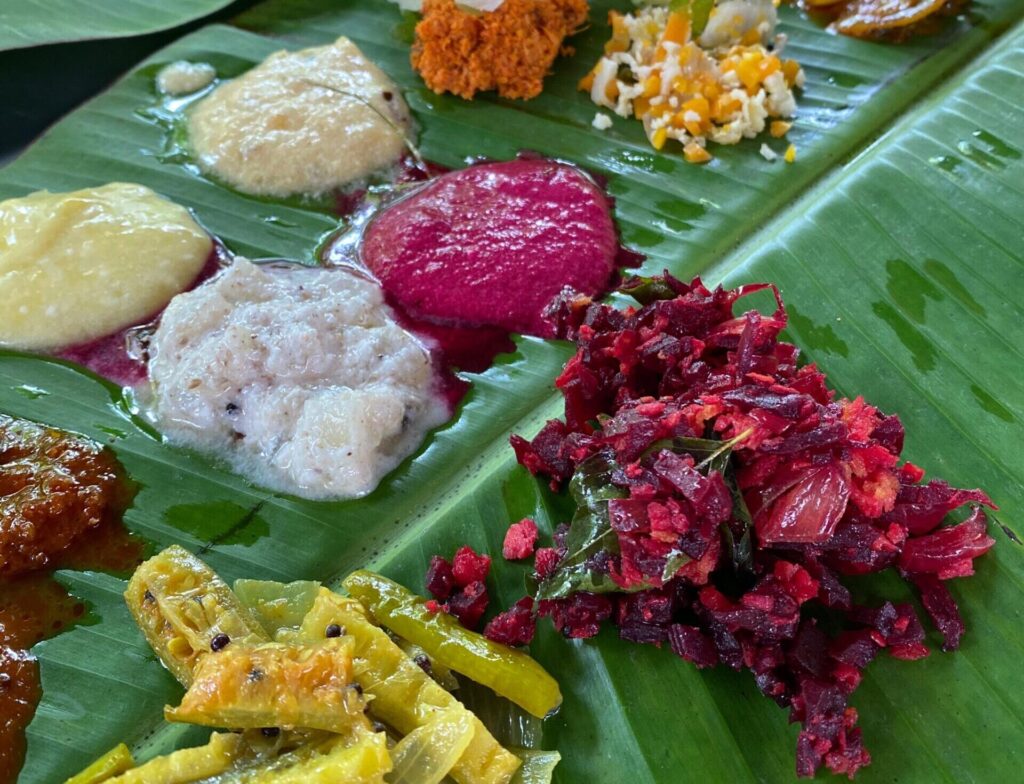
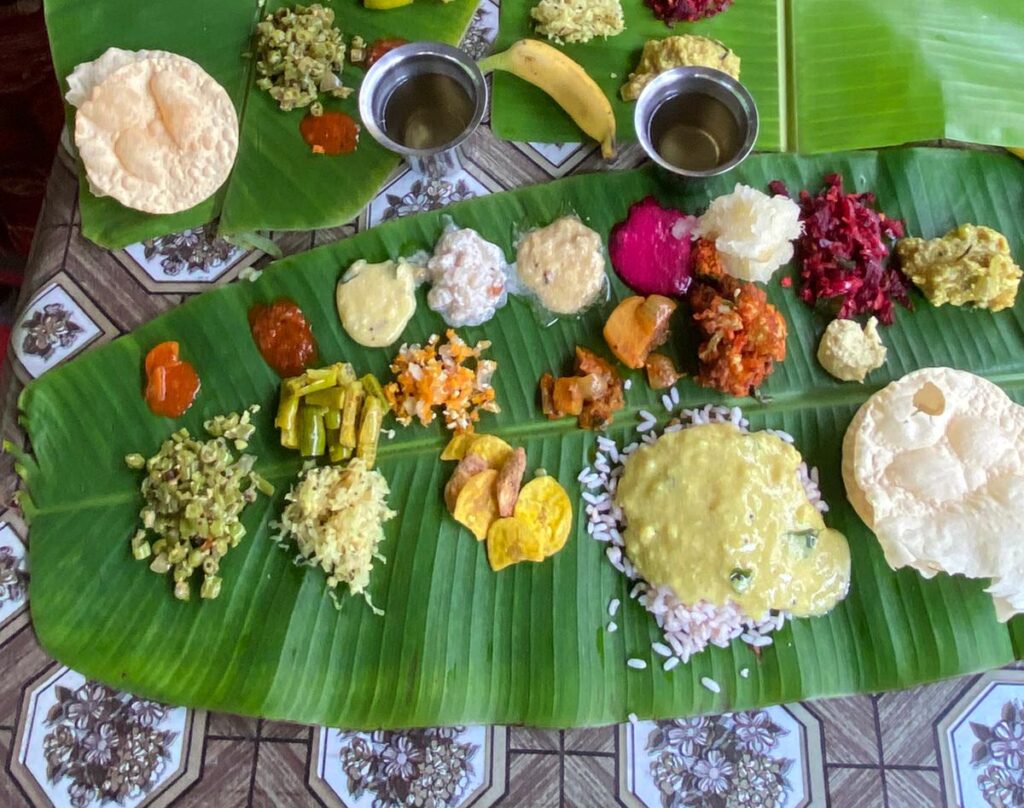
Ayurveda is the science of living. Our practice depends on us being in balance. Through an understanding of Ayurveda, we learn about our bodily constitution, and what kinds of diets and lifestyles are most suitable to one’s character. Our Ayurvedic Doctor will teach you about the theoretical basics of Ayurveda, helping you to discover a diet fitting to your type of body and individual needs and intellectually understand the positive effects of the high qualitative sattvic yogi diet you are served throughout the TTC. If you like to relax from the training, you will be delighted to find the yoga studio surrounded by several skilled ayurvedic massage salons.
Reflection On The Process Of Becoming A Yoga Teacher
- Reflection on the Process of Becoming a Yoga Teacher
- Discussion on what Certification Provides
- Code of Ethics
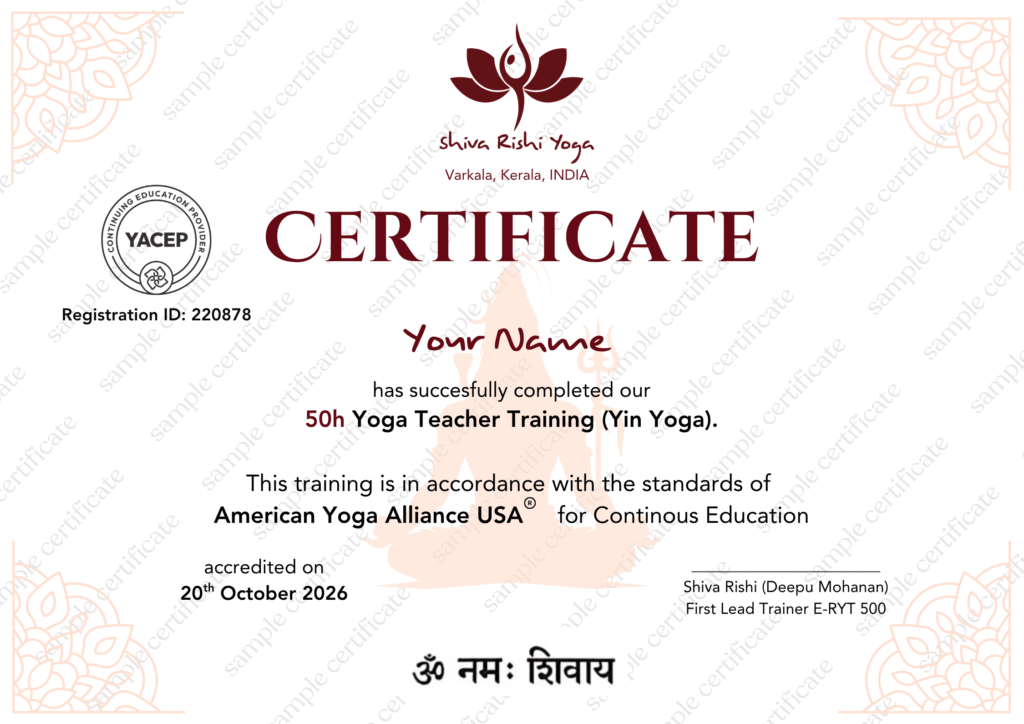
- Yoga Alliance Registration
- Group conversation about options for teaching and sharing
- Discussion about how to maintain appropriate skill and inspiration