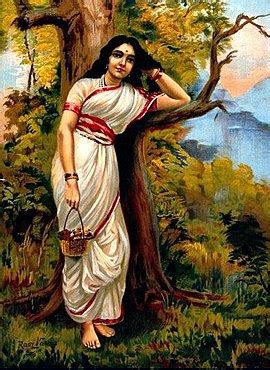
This story is a deeply spiritual story behind the path of Yoga, especially in the traditions connected to Lord Shiva and Tantra.
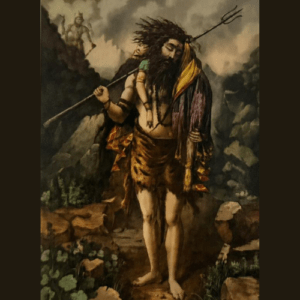
The image shows Lord Shiva carrying the body of his beloved wife Sati after her death. It is not only a tragic love story — it is also a symbolic teaching about consciousness, ego, devotion, destruction, and awakening.
The Story in Simple Words
Sati was the daughter of King Daksha. She loved Shiva deeply and married him, even though her father disliked Shiva, because Shiva lived beyond society’s rules — in mountains, cremation grounds, meditation, and renunciation.
Daksha organized a huge sacred fire ceremony (Yajna) and intentionally did not invite Shiva. Sati still went, missing her parents and hoping to restore peace. But instead, Daksha insulted Shiva publicly.
Unable to bear the disrespect toward the Divine she loved, Sati entered the sacred fire and gave up her body. When Shiva heard this, his grief became cosmic sorrow. He carried Sati’s body across the world in madness and pain. The universe itself became disturbed by his grief.
Finally, Lord Vishnu cut Sati’s body into pieces with the Sudarshana Chakra so Shiva could slowly release attachment and restore balance. Wherever her body parts fell, sacred temples called Shakti Peethas were born.
The Yogic Meaning Behind the Story
This story is not just mythology. In Yoga, every character represents an inner state of consciousness.
Shiva Represents Pure Consciousness
In Yoga, Shiva is not merely a god sitting somewhere in the sky.
He represents:
- Pure awareness
- Meditation
- Stillness
- The eternal witness
- The yogi beyond ego
This is why Shiva is called Adiyogi — the first yogi.
Sati Represents Shakti (Divine Energy)
Sati is Shakti — the living energy of existence.
She represents:
- Love
- Devotion
- Life force
- Kundalini energy
- The feminine creative power
In Yoga, Shiva without Shakti is silent consciousness. Shakti without Shiva is energy without direction. Together they symbolize the union Yoga seeks:
- Consciousness + Energy
- Masculine + Feminine
- Stillness + Movement
- Meditation + Life
This union is the true meaning of Yoga — “to unite.”
Why Did Sati Burn Herself?
Spiritually, the fire represents transformation. Sati could not remain in an environment ruled by:
- Ego
- Pride
- Disrespect
- Intolerance
- Separation from truth
So she dissolves her old identity in fire. In Yoga, this is symbolic of:
- Burning the ego
- Letting false identity die
- Sacrificing attachment
- Spiritual rebirth
This is why yogic paths often speak about “inner fire” (Agni or Tapas). Tapas in Yoga means the fire of discipline that burns impurities.
Shiva Carrying the Corpse — The Deepest Symbol
This image is one of the most powerful yogic symbols.
Shiva carrying Sati’s dead body represents:
- Pain through attachment
- Human grief
- Carrying emotions
- Love beyond death
- The inability to let go of the past and what is gone
Even the great yogi Shiva experiences sorrow. This teaches that spirituality does not mean becoming emotionless.
A yogi must love deeply, but also learn non-attachment. Yoga does not deny human feeling. Instead, Yoga transforms suffering into awakening.
Eventually, Shiva must release Sati’s body. This symbolizes:
- Letting go
- Acceptance
- Detachment
- Returning to balance
The Shakti Peethas and Yogic Energy
When Sati’s body fell across India, those places became sacred centers of Shakti.
Spiritually this means:
- The Divine Feminine exists everywhere.
- The pilgrimage to Shakti Peethas is also symbolic of an inner pilgrimage through consciousness.
This story is deeply connected to Tantra and Kundalini yoga.
Tantra and Kundalini Yoga teaches:
- The body itself is seen as sacred
- Every chakra is a Shakti center
- Spiritual energy lives inside us
In yogic symbolism:
- Shiva = Pure consciousness at the crown chakra
- Shakti = Kundalini energy resting below
The whole yogic journey is Shakti rising upward to unite with Shiva.
That union is said to create:
- Samadhi
- Enlightenment
- Liberation
So the story of Shiva and Sati is also the story of the soul returning to union with the Divine.
Why Yogis Love to tell this Story
Because it contains many aspects of spiritual life:
- Love
- Devotion
- Ego
- Sacrifice
- Death
- Transformation
- Meditation
- Detachment
- Divine union
It teaches that pain itself can become a doorway to awakening.
That is why many yogis chant the mantras:
- “Shivoham” — I am Shiva
- “Alakh Niranjan” — the formless pure reality beyond illusion
The image seems to be sad, but it actually is so profoundly beautiful.
It reminds us:
True Yoga is not escaping life. True Yoga is carrying love, pain, loss, and transformation until they become wisdom and liberation.