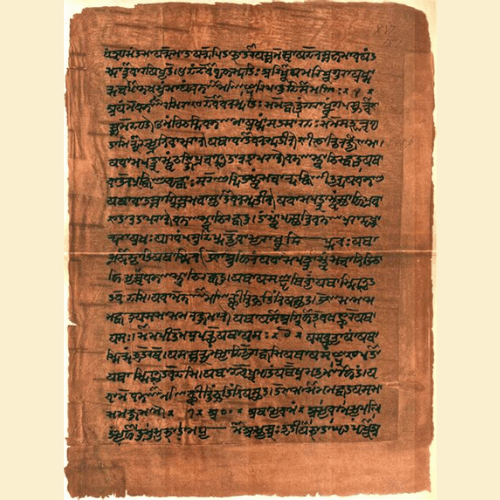
4 Vedas: Ancient Wisdom for Yoga Students at Shiva Rishi Yoga
What Are the Four Vedas?
The Vedas are the oldest sacred scriptures of India and form the foundation of much of Hindu philosophy, yogic wisdom, mantra science, ritual tradition, and spiritual culture. The word Veda means knowledge or wisdom. These texts were preserved orally for thousands of years before being written down.
The four sacred Vedas are:
- Rig Veda
- Sama Veda
- Yajur Veda
- Atharva Veda
Each Veda has its own unique purpose and style. Together, they offer a complete view of life—covering spirituality, ritual, health, ethics, sound, devotion, cosmic order, and the relationship between human beings and the universe.
Many modern yoga students know words such as asana, pranayama, chakra, and meditation, but fewer understand that many yogic roots emerge from the broader Vedic tradition. While the Atharva Veda is often appreciated for healing, herbs, protection mantras, and practical daily life, the other three Vedas also contain extraordinary wisdom that can enrich modern yoga practice.
At Shiva Yoga and the Shiva Yoga Center, students often discover that yoga becomes deeper when studied within its original cultural and philosophical context.
Why the Other Vedas Matter for Modern Yoga Students
Many students travel to India for a yoga teacher training Kerala India program because they seek more than physical exercise. They want authentic knowledge, inner transformation, and a meaningful connection to ancient traditions.
Modern yoga classes may focus mainly on:
- flexibility
- strength
- stress reduction
- mobility
- relaxation
These benefits are valuable. Yet yoga’s deeper purpose is awakening consciousness, living in harmony, and realizing one’s true nature.
The other Vedas remind us that yoga also includes:
- sacred sound
- devotion
- disciplined action
- cosmic intelligence
- prayer and gratitude
- ethical living
- meditative awareness
- connection to nature
- inner purification
By studying the Rig, Sama, and Yajur Vedas alongside the Atharva Veda, students gain a fuller understanding of the spiritual ecosystem from which yoga emerged.
The Rig Veda: The Veda of Sacred Hymns and Cosmic Wisdom
What Is the Rig Veda?
The Rig Veda is considered the oldest of the four Vedas. It contains over a thousand hymns dedicated to divine forces such as Agni (fire), Surya (sun), Indra, Varuna, Ushas (dawn), and others.
These deities are not merely mythological figures—they often symbolize natural laws, psychological energies, and cosmic principles.
The Rig Veda explores:
- creation and existence
- light and darkness
- devotion and praise
- sacred fire
- truth (rita)
- gratitude to nature
- prayer and aspiration
- cosmic order
Why It Matters for Yoga Students
The Rig Veda teaches reverence. In a world of distraction and consumption, it reminds us to live with humility and wonder.
For yoga students, this can translate into:
- practicing with gratitude
- honoring the sun through Surya Namaskar
- seeing nature as sacred
- understanding mantra origins
- developing devotional awareness
Many practitioners discover that yoga deepens when postures are no longer just exercise, but expressions of consciousness.
Example for Daily Practice
A modern student may read a short Rig Vedic hymn to dawn before morning meditation. This simple act can create a sense of sacred beginning and gratitude for life.
The Sama Veda: The Veda of Sound, Music, and Vibration
What Is the Sama Veda?
The Sama Veda is known as the Veda of melody and chant. Much of its content comes from the Rig Veda, but it is arranged musically for singing in ritual and spiritual practice.
This Veda emphasizes that sound is not entertainment alone—it is transformative vibration.
The Sama Veda is connected to:
- chanting
- sacred music
- mantra recitation
- rhythm
- tonal vibration
- devotion through sound
- altered states of consciousness
Why It Matters for Yoga Students
Many yoga students experience peace through mantra chanting, kirtan, or humming breath practices without fully knowing why. The Sama Veda points to the ancient science of vibration.
Sound can influence:
- mood
- breathing patterns
- nervous system regulation
- concentration
- emotional release
- devotional feeling
- meditative absorption
This is one reason chanting Om, bija mantras, or Sanskrit prayers remains powerful today.
At a Shiva Yoga Center, students often feel how group chanting creates unity and calm beyond words.
Example for Daily Practice
Before meditation, softly chant Om three times with awareness. Notice how vibration changes inner space.
The Yajur Veda: The Veda of Sacred Action and Discipline
What Is the Yajur Veda?
The Yajur Veda focuses on ritual formulas, sacred action, ceremony, and disciplined offerings. It contains guidance for how spiritual intention can be expressed through action.
Its themes include:
- karma and responsibility
- ritual precision
- discipline
- offering ego into higher purpose
- sacred duty
- mindful action
- purification through service
Why It Matters for Yoga Students
The Yajur Veda teaches that spirituality is not only meditation—it is how we act.
For modern practitioners, this means:
- practicing with discipline
- living ethically
- serving others
- transforming daily tasks into mindfulness
- offering actions without attachment to results
This aligns strongly with Karma Yoga, the path of selfless action.
Many students in a 200 hour yoga teacher training India course discover that sweeping the floor, preparing food, helping others, and showing discipline can become yoga.
Example for Daily Practice
Wash dishes mindfully without rushing or complaining. Offer the action with gratitude. This is living yoga.
How the Four Vedas Work Together
Each Veda offers a different doorway:
Rig Veda – Wisdom and Praise
Connects us to cosmic wonder, prayer, and truth.
Sama Veda – Sound and Vibration
Connects us through mantra, music, and devotion.
Yajur Veda – Sacred Action
Connects spirituality to disciplined living and karma yoga.
Atharva Veda – Healing and Practical Life
Connects us to wellness, protection, herbs, longevity, and subtle balance.
Together they form a complete human path:
- wisdom of mind
- purity of heart
- discipline of action
- healing of body
- awakening of spirit
What This Means for Modern Yoga Practice
Many people today reduce yoga to fitness classes. While movement is valuable, yoga was traditionally much broader.
The Vedic perspective reminds us that yoga can include:
- posture practice (asana)
- breathwork (pranayama)
- mantra chanting
- meditation
- ethical living
- self-study
- devotion
- healing lifestyle
- service
- spiritual inquiry
This holistic understanding is why many people choose to learn to teach yoga in India, where yoga is still connected to a living tradition.
Why Study These Teachings in Kerala, India
Kerala has become a meaningful destination for students seeking authentic wellness traditions. Known for Ayurveda, natural beauty, ocean energy, and spiritual culture, it offers a supportive environment for deeper study.
A 200 hour yoga teacher training in Kerala may expose students not only to asana, but also to:
- pranayama
- meditation
- mantra
- philosophy
- Ayurveda
- yogic lifestyle
- traditional roots of yoga
At Shiva Yoga, students often say that understanding the philosophy behind practice changes everything.
Bringing the Vedas Into Daily Life
You do not need to become a scholar to benefit from Vedic wisdom. Even simple steps can be transformative:
Morning (Rig Veda Spirit)
Begin the day with gratitude to sunlight and life.
Midday (Yajur Veda Spirit)
Perform work with discipline and mindfulness.
Evening (Sama Veda Spirit)
Chant softly, listen to sacred sound, or meditate.
Wellness Routine (Atharva Veda Spirit)
Use herbs, rest well, practice breathwork, and cultivate harmony.
Common Misunderstanding: Are the Vedas Only Religious Texts?
The Vedas contain spiritual and ritual dimensions, but they also preserve psychology, sound science, ethics, healing methods, and philosophical insight.
For modern yoga students, they can be approached respectfully as sources of timeless wisdom—not merely dogma.
Final Thoughts
The Atharva Veda offers healing and practical wellness, but the other three Vedas complete the picture:
- The Rig Veda teaches reverence and cosmic intelligence
- The Sama Veda teaches vibration and sacred sound
- The Yajur Veda teaches disciplined action and selfless offering
- The Atharva Veda teaches healing and harmony in daily life
Together they reveal that yoga is far more than movement. It is a complete path for body, breath, mind, and spirit.
For students who come to India seeking authenticity, these teachings can open a doorway into the true depth of yoga.
Whether you join a yoga retreat center, a holistic retreat, or a yoga teacher training Kerala India course, remembering the Vedic roots of yoga can turn practice into transformation.
What Is the Atharva Veda?
The Atharva Veda is one of the four sacred Vedas of India:
- Rig Veda
- Sama Veda
- Yajur Veda
- Atharva Veda
While the other Vedas often focus on rituals, hymns, and sacrificial ceremonies, the Atharva Veda is unique because it includes teachings related to:
- healing
- herbs and medicine
- protection mantras
- peace rituals
- spiritual energy
- household life
- longevity
- harmony of body and mind
- mystical sciences
Because of this, many consider the Atharva Veda the most practical Veda for daily life.
It is deeply connected to Ayurveda, mantra therapy, subtle energies, and sacred methods for balancing life. For yoga students, it offers insight into how ancient India understood wellness—not merely as physical fitness, but as harmony between body, breath, mind, karma, and spirit.
Why the Atharva Veda Matters for Modern Yoga Students
Many students from Europe come to India seeking more than yoga exercise. They want authentic teachings, tools and practices. Modern yoga classes often emphasize flexibility, strength, and relaxation. These are valuable benefits, but yoga’s original purpose is union—union with consciousness. This union with consciousness is achieved through many different practices and tools.
The Atharva Veda reminds us that true healing includes:
- energetic purification
- mental clarity
- mantra vibration
- right living
- sacred connection to nature
- divine remembrance
This is why Shiva Rishi Yoga School encourages students to explore deeper yogic traditions such as mantra chanting, meditation, Ayurveda, and sacred symbols like Rudraksha.