
Across India, certain trees are more than part of the landscape. They are living symbols of
devotion, wisdom and the sacred relationship between human beings and nature.
Among the trees most closely associated with Lord Shiva is the Bilva tree, also known as
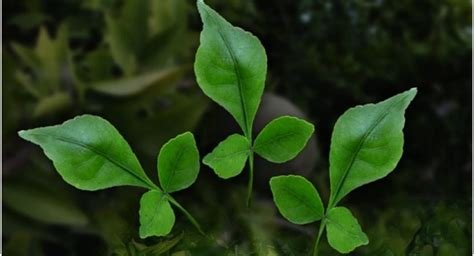
the Bael or Bel tree. Its distinctive three-part leaves are offered in Shiva temples and home
shrines, forming an important part of traditional worship.
But why is this particular tree considered sacred? What do its three leaves represent, and
what can its symbolism teach us about yoga and our relationship with the natural world?
To understand the Bilva tree is to discover a beautiful meeting point between mythology,
devotion and the ancient Indian understanding of nature as worthy of reverence.
What Is the Bilva Tree?
The Bilva tree, botanically known as Aegle marmelos, is a tree native to the Indian
subcontinent. It produces a hard-shelled fruit with a fragrant interior, traditionally used as
food and valued in Ayurvedic practice.
In different parts of India, the tree is known as Bel, Bael or Bilva. In Tamil, it is called Vilvam,
while Malayalam-speaking communities may use the name Koovalam.
The most recognisable feature of the tree is its leaf, which commonly consists of three
leaflets joined at a single point. These leaves, known as Bilva Patra or Bel Patra, are
traditionally offered to Lord Shiva.
In Shaiva worship, the Bilva tree is revered not simply for its appearance or usefulness, but
for the spiritual meanings associated with it. The tree becomes a reminder that the sacred
can be encountered through the simplest elements of the natural world.
Why Is the Bilva Leaf Sacred to Lord Shiva?
In Hindu tradition, the Bilva leaf is considered one of the most auspicious offerings to Lord
Shiva. Devotees often place fresh Bilva leaves on the Shiva Lingam while chanting Om
Namah Shivaya. The gesture is simple, yet it carries profound meaning.
One reason for the leaf’s special place in Shiva worship is its three-part form. Different
spiritual traditions interpret these three leaflets in several ways. They may represent:
The three eyes of Lord Shiva, associated with wisdom and the ability to see beyond
ordinary perception.
● The three eyes of Lord Shiva, associated with wisdom and the ability to see beyond
ordinary perception.
● The three gunas — sattva, rajas and tamas — the qualities described in Indian
philosophy as influencing nature and the mind.
● The three cosmic functions of creation, preservation and dissolution.
● The Trishula, Lord Shiva’s three-pronged trident.
These interpretations are not necessarily identical across every tradition, but they share a
common theme: the threefold leaf reminds the devotee of the interconnected dimensions of
existence. Offering the leaf becomes a symbolic act of surrender, humility and
remembrance. The devotee is not trying to impress Shiva with material wealth. Instead, the
offering expresses sincerity and devotion.
The Legend of Goddess Parvati and the Bilva Tree
Traditional Hindu accounts also connect the Bilva tree with Goddess Parvati, the divine
consort of Lord Shiva. One story, associated with the Skanda Purana, describes how drops
of Parvati’s perspiration fell to the earth and gave rise to the Bilva tree. The tree is
consequently connected with the Goddess and regarded as sacred in traditions that honour
both Parvati and Shiva.
The story also reflects the close relationship between Shiva and Shakti. Shiva is often
associated with pure consciousness, while Shakti represents divine energy and creative
power. Their union expresses the inseparability of awareness and the energy through which
life unfolds.
In this sense, the Bilva tree can remind us that spiritual life is not limited to temples or
meditation rooms. It also involves how we relate to the earth, plants, animals and other living
beings. The divine is not separate from nature. A tree is not merely an object to be used. It
can become a reminder of the living presence of the sacred in the world around us.
Bilva Patra and the Practice of Shiva Puja
In many Shiva temples, Bilva leaves are offered during daily worship and on special
occasions such as Maha Shivaratri and Pradosham.
A devotee may first offer water to the Shiva Lingam and then gently place the leaves upon it
while reciting a mantra. Customs vary between temples and traditions, but the central
intention is to approach the divine with sincerity.
The familiar mantra Om Namah Shivaya can accompany this simple offering. Its meaning is
commonly understood as an expression of reverence and surrender to Shiva, the auspicious
and transcendent reality. The act itself need not be complicated. It can become an
opportunity to quiet the mind, bring attention into the present moment and offer one's actions
with humility.
For those who follow a Shiva-centred spiritual path, this practice is a reminder that devotion
does not depend on elaborate ceremonies. Attention, sincerity and a willingness to learn are
equally important.
When gathering Bilva leaves, it is also worth remembering the sacredness attributed to the
whole tree. Leaves should be collected respectfully, without unnecessary damage to
branches or the plant.
The Bilva Tree in Ayurveda and Traditional Life
The Bilva tree has also been valued for its fruit and other plant parts in traditional Indian
medicine. Bael fruit is used in various preparations, including drinks and traditional digestive
remedies. Its culinary uses vary depending on the maturity of the fruit and regional practice.
Ayurveda contains a long history of using plants as part of a broader approach to wellbeing.
However, traditional use does not mean every preparation is appropriate for every person,
and medicinal use should be guided by a qualified professional.
For our spiritual reflection, the important point is that the Bilva tree has served multiple roles
in Indian life: a sacred offering, a source of food and a plant with a place in traditional healing
systems.
Bringing the Wisdom of the Bilva Tree into Daily Life
You do not need to visit a famous temple to reflect on the significance of the Bilva tree. If you
encounter one, take a moment to observe its leaves and appreciate the life it supports. If you
practise Shiva puja, you may offer Bilva leaves according to your tradition and with respect
for the plant.
You can also bring its symbolism into meditation. Sit comfortably, observe your breathing
and silently repeat Om Namah Shivaya. Let the three leaflets remind you of the many
aspects of life that can be brought into greater balance through awareness.
Rather than treating spirituality as something separate from ordinary experience, allow it to
influence how you speak, how you act and how you care for your surroundings. This is one
of the deeper invitations of yoga: to bring awareness into the whole of life.
A Living Symbol of Shiva’s Presence
The Bilva tree holds a special place in Hindu traditions because it brings together devotion,
mythology and reverence for nature.
Its three-part leaves remind devotees of Lord Shiva's symbolism, while its traditional
association with Goddess Parvati expresses the sacred relationship between consciousness
and creative energy.
For the yoga practitioner, the tree offers a simple but powerful reminder: wisdom can be
found in ordinary things when we approach them with attention and humility.
At Shiva Rishi Yoga in Varkala, Kerala, we honour yoga as a path that includes asana,
pranayama, meditation, philosophy and a deeper understanding of the spiritual traditions of
India.
Learning about sacred plants such as the Bilva tree helps us explore the world from this
broader perspective.
May we learn to recognise the sacred not only in our prayers and practices, but also in the
trees that offer shade, the plants that sustain life and the natural world that supports us every
day.
Om Namah Shivaya.