The Importance of the Guru in Yoga
In today’s world, knowledge is available everywhere. With a few clicks, we can access thousands of books, videos, and teachings on yoga and spirituality. Yet despite this abundance of information, many seekers still feel lost, confused, or uncertain about their path. This is because spiritual wisdom is different from information. Spiritual wisdom is transmitted from heart to heart, from experience to experience. Spiritual wisdom is difficult to express in language, as Sadghuru once said-it needs to be experienced.
For thousands of years, yoga has emphasized the importance of the Guru—a spiritual guide who illuminates the path and inspires the student through both teachings and personal example. The Sanskrit word Guru means “the one who dispels darkness.” A true guru helps remove ignorance, fear, and confusion, guiding the disciple toward self-realization.
Many people wonder whether they need a guru. The answer is deeply personal. Some seekers are naturally drawn to one teacher (at first), while others receive inspiration from several masters. What matters is sincerity and devotion. A guru is not chosen by intellectual analysis alone. Often there is a natural attraction, a feeling of trust, reverence, and inspiration. An intuitive feeling that draws you naturally to the teachings of one, while the teachings of another are not wrong, you might simply not feel connected. Whoever genuinely awakens your heart toward truth, compassion, self-discipline, and God can become your guru.
Even after leaving the physical body, great masters continue to inspire, protect, and guide sincere devotees. Countless practitioners throughout history have reported receiving inner guidance, strength, and blessings from their guru long after their passing. Through devotion, remembrance, prayer, meditation, and study of their teachings, the connection remains alive.
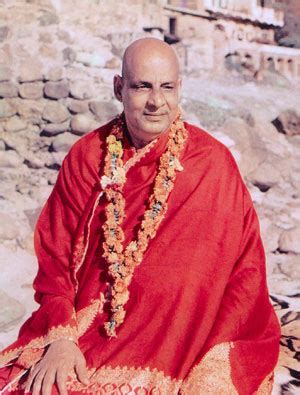
Among the many extraordinary masters of modern yoga, two stand out for their immense contribution to spreading authentic yogic wisdom throughout the world: Swami Sivananda Saraswati and his disciple Swami Satyananda Saraswati. Their lives demonstrate how the guru-disciple tradition continues to transform humanity. Shiva Rishi feels deeply connected with both of them and loves to share their teachings during class.
Swami Sivananda Saraswati: Serve, Love, Give, Purify, Meditate, Realize
Swami Sivananda Saraswati is widely regarded as one of the greatest yoga masters of the twentieth century. He became the inspiration behind the Divine Life Society and the International Sivananda Yoga Vedanta Centers, influencing millions of seekers around the globe. His teaching is often summarized in six simple words, which helps to remember them and keep his pure intentions alive:
Serve. Love. Give. Purify. Meditate. Realize.
Early Life
Swami Sivananda was born in 1887 in Pattamadai, Tamil Nadu, South India. His birth name was Kuppuswami. From childhood, he displayed remarkable intelligence, physical vitality, and deep spiritual inclination. While excelling academically, he was also naturally drawn toward prayer, worship, and devotional singing.
His parents were devoted worshippers of Lord Shiva. Young Kuppuswami eagerly participated in daily worship and mantra chanting, developing a natural love for spiritual life. At the same time, he possessed tremendous compassion for others. This compassion eventually inspired him to study medicine.
The Doctor Who Served Humanity
Kuppuswami became a successful physician. During his medical studies, he demonstrated exceptional ability and earned the respect of both professors and colleagues. As a doctor, he served countless patients and became known for his kindness and selfless service. Yet despite professional success, he felt that physical healing alone was not enough.
He observed that many people suffered not only from physical diseases but also from anxiety, ignorance, fear, attachment, and spiritual emptiness. Gradually, he realized that the deepest healing must address the whole person—body, mind, and soul. This insight led him toward renunciation and spiritual practice.
The Call of the Himalayas
Leaving behind worldly success, he traveled to Rishikesh, a small town on the banks of the sacred Ganges in the foothills of the Himalayas, now a well-known Yoga hub for many internationals to study Yoga. At that time, Rishikesh was far removed from the bustling yoga destination it has become today. Life there was simple, austere, and deeply spiritual.
Swami Sivananda immersed himself in intense sadhana (spiritual practice), meditation, service, study, and devotion. His realization was not based on philosophical speculation but on direct experience.
A Master for the Modern Age
One of Swami Sivananda’s greatest gifts was his ability to communicate profound spiritual truths in simple language. He wrote more than 200 books covering yoga, Vedanta, meditation, health, devotion, karma yoga, and spiritual life. His writings were practical, uplifting, and full of energy. Readers often felt as if he were speaking directly to them. You can download some of his books for free following this link.
Remarkably, despite rarely leaving India and making only two tours within the country, his teachings spread throughout the entire world. People traveled from every continent to sit in his presence, receive his blessings, and learn from him.
The Essence of His Teaching
Swami Sivananda emphasized that spirituality should not be separated from daily life. For him, yoga was not limited to postures. It included:
- Selfless service (Karma Yoga)
- Devotion (Bhakti Yoga)
- Meditation (Raja Yoga)
- Self-inquiry and wisdom (Jnana Yoga)
He encouraged seekers to cultivate kindness, discipline, purity, and devotion while actively serving humanity. His message remains highly relevant today:
“An ounce of practice is worth tons of theory.”
Swami Satyananda Saraswati: Bringing Yoga to Modern Humanity
Among Swami Sivananda’s many disciples, one became especially influential in carrying yogic wisdom into the modern world: Swami Satyananda Saraswati.
He would later found the Bihar School of Yoga, one of the most respected yoga institutions in the world.
Extraordinary Spiritual Experiences
Unlike many seekers who discover spirituality later in life, Satyananda experienced unusual states of consciousness from a very young age. At the age of six, he reportedly experienced spontaneous states in which awareness seemed to leave the physical body.
These experiences fascinated rather than frightened him and inspired a lifelong search for understanding. He met many saints and spiritual practitioners who recognized his spiritual potential. Some offered guidance and reassurance, but many advised him that he needed a guru to fully understand and develop these experiences.
This advice ultimately led him toward Swami Sivananda.
Finding the Guru
At the age of twenty, Satyananda left home and traveled in search of spiritual truth. In 1943, he arrived at the ashram of Swami Sivananda in Rishikesh. The meeting changed his life.
Recognizing the young seeker’s sincerity, Swami Sivananda accepted him as a disciple and initiated him into the Dashnami Order of Sannyasa in 1947. He received the name Swami Satyananda Saraswati.
Years of Service and Training
Under the guidance of his guru, Satyananda underwent years of disciplined training. Like many great disciples, he did not spend all his time studying philosophy. Much of his training involved practical service, humility, discipline, and daily ashram duties. This period shaped him profoundly. He absorbed not only his guru’s teachings but also his spirit of service and dedication.
Traveling the Spiritual Path
In 1956, Swami Sivananda sent Satyananda out into the world to spread yoga. For the next several years, he traveled extensively throughout India, Afghanistan, Nepal, Burma, and Ceylon (Sri Lanka). Living as a wandering monk, he met saints, yogis, householders, and seekers from many backgrounds. These experiences enriched his understanding and allowed him to integrate ancient teachings into practical methods suitable for modern people.
Founding the Bihar School of Yoga
In 1964, Swami Satyananda founded the Bihar School of Yoga in Munger, Bihar. His vision was revolutionary.
He wanted yoga to become accessible not only to renunciates and ascetics but also to ordinary people living family and professional lives.
The Bihar School of Yoga became a major center for training teachers, conducting research, and preserving authentic yogic traditions.
Contributions to Modern Yoga
Swami Satyananda developed and systematized numerous practices that are now known worldwide.
His teachings on:
- Yoga Nidra
- Kundalini Yoga
- Tantra
- Meditation
- Pranayama
- Chakra awareness
have influenced millions of practitioners. He authored many books that remain essential reading for serious yoga students. Today, countless lectures and talks by Swami Satyananda continue to inspire seekers around the world.
Why It Is Beneficial to Have Spiritual Role Models
In modern culture, independence is often celebrated above all else.
While self-reliance is valuable, spiritual growth becomes much easier when we learn from those who have already walked the path. A guru serves as both teacher and living example. Their life demonstrates what is possible.
When difficulties arise, remembering their courage can strengthen our own determination.
When confusion appears, their teachings provide clarity.
When faith weakens, their example rekindles inspiration.
Many practitioners find it beneficial to study and feel connected to several great masters. One guru may inspire devotion, another meditation, another selfless service. Together they help create a balanced spiritual life. Ultimately, however, one teacher often resonates most deeply with the heart. That natural attraction should be respected and followed.
Yoga teaches that the relationship between guru and disciple is not merely intellectual—it is energetic, spiritual, and deeply personal.
Bhakti Yoga and the Living Presence of the Guru
Bhakti Yoga is the path of devotion. Through devotion, the heart becomes purified and receptive to divine grace. For many practitioners, devotion to a guru becomes an important aspect of Bhakti Yoga. This does not mean blind worship. Rather, it means gratitude, trust, reverence, and a sincere effort to embody the teachings.
The physical body of the guru may disappear, but the spiritual connection can remain. Many devotees of Swami Sivananda and Swami Satyananda continue to feel guided by their presence decades after their passing. Their consciousness is still on earth, just like with Jesus or other spiritual teachers that passed away a long time ago.
Through prayer, meditation, mantra, studying their writings, and remembering their example, the guru’s influence remains alive. The guru becomes an inner companion on the journey. You can seek guidance and when you establish a connection, you will feel that they will send you blessings and signs.
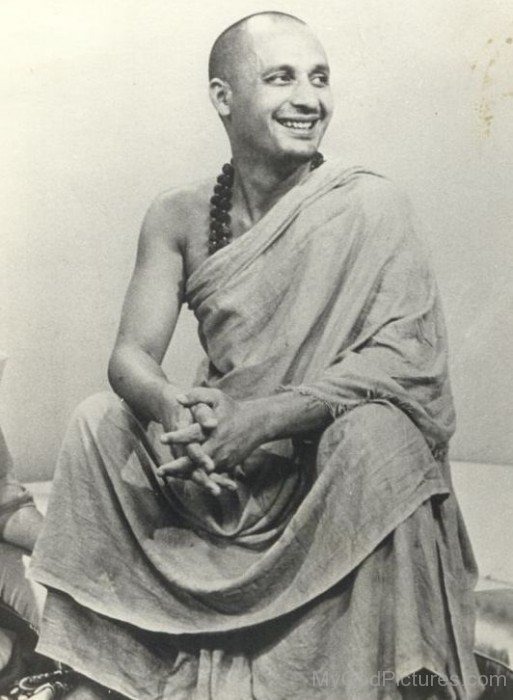
Swami Satyananda and the Development of Yoga Nidra
Among Swami Satyananda Saraswati’s many contributions to modern yoga, perhaps none has become as influential worldwide as Yoga Nidra, often translated as “Yogic Sleep.”
Although the roots of Yoga Nidra can be found in ancient tantric practices, Swami Satyananda was responsible for systematizing and presenting the technique in a practical way that could be understood and practiced by modern people.
During his years of study, travel, and spiritual experimentation, Swami Satyananda observed that many seekers struggled to meditate because their minds were constantly restless. Modern life produces tension, anxiety, emotional stress, and mental fatigue. He sought a method that could help practitioners relax deeply while simultaneously cultivating awareness. The result was the modern form of Yoga Nidra taught through the Bihar School of Yoga.
Unlike ordinary sleep, Yoga Nidra guides the practitioner into a state between waking and sleeping. The body becomes completely relaxed while awareness remains present. In this state, deep physical, mental, and emotional tensions can gradually dissolve.
Swami Satyananda explained that Yoga Nidra allows access to deeper layers of the subconscious mind. Through systematic relaxation and the use of sankalpa (a positive resolve or heartfelt intention), practitioners can transform ingrained habits, reduce stress, and create positive changes in their lives.
Today, Yoga Nidra is practiced in yoga studios, retreat centers, hospitals, schools, and wellness programs around the world. Scientific research has increasingly confirmed its benefits for stress reduction, sleep quality, emotional well-being, and nervous system regulation.
Yet beyond its therapeutic value, Swami Satyananda always emphasized that Yoga Nidra is ultimately a spiritual practice. It is a tool for self-discovery, awareness, and inner transformation. Through regular practice, the practitioner begins to experience the profound stillness that lies beneath the constant activity of the mind.
Millions of people who may never have heard of the Bihar School of Yoga have nevertheless been touched by Swami Satyananda’s legacy through Yoga Nidra. His ability to bridge ancient wisdom and modern needs remains one of his greatest gifts to humanity.
How to Connect with Your Guru Today
Many people wonder how they can maintain a connection with a guru, especially if they never met them personally or if the guru has already left the physical body.
According to the yogic tradition, the relationship between guru and disciple is not limited by time or distance. The physical presence of the guru is a blessing, but the deepest connection is established through devotion, sincerity, and practice. There are many simple ways to strengthen this connection in daily life.
- Read Their Books Regularly
One of the easiest and most powerful ways to connect with a spiritual teacher is through their writings. Great masters such as Swami Sivananda and Swami Satyananda poured decades of wisdom into their books. Reading even a few pages each day can provide guidance, inspiration, and clarity.
Many devotees find that a passage read at the right moment feels like a direct answer to a question or challenge they are facing.
- Chant Their Mantra
Many gurus transmit specific mantras to their disciples or encourage the repetition of sacred names. Regular mantra practice helps calm the mind and create an inner connection with the guru’s energy and teachings. Even a few minutes of sincere chanting each day can gradually deepen devotion and concentration.
- Keep a Photo on Your Altar
Throughout many spiritual traditions, keeping a picture of a respected teacher serves as a reminder of their qualities and teachings. An altar need not be elaborate. A simple photograph, a candle, flowers, or an incense stick can create a sacred space for reflection and prayer. Seeing the image of the guru daily can help keep spiritual aspirations alive amid the distractions of modern life.
- Practice Their Teachings Daily
The greatest honor we can offer a guru is not admiration but practice. Reading inspiring words is valuable, but transformation occurs when those teachings are applied:
- If Swami Sivananda teaches selfless service, practice kindness and generosity.
- If Swami Satyananda teaches meditation and awareness, make time for those practices every day.
A teaching becomes alive only when it is lived.
- Offer Gratitude Before Meditation
Before beginning meditation, take a few moments to remember your teachers. Offer a silent prayer of gratitude for their guidance and wisdom. This simple act helps cultivate humility and receptivity. Many practitioners find that meditation becomes deeper and more meaningful when it begins with gratitude.
- Trust the Inner Guidance
As devotion deepens, many seekers report feeling an intuitive sense of guidance arising from within. The guru’s outer teachings gradually awaken the inner guru—the wisdom already present in the heart. This inner guidance does not replace common sense or discernment, but it often provides clarity, strength, and direction during important moments in life.
The ultimate purpose of the guru is not to create dependence but to awaken the disciple to their own divine nature and guide them toward their own truth and highest version of themselves.
Final Reflections
The lives of Swami Sivananda Saraswati and Swami Satyananda Saraswati continue to inspire millions of seekers around the world. Through their teachings, writings, and example, they demonstrate that yoga is far more than a physical practice—it is a complete path for transforming the body, mind, and spirit.
Whether we connect with a guru through personal contact, books, meditation, or devotion, the relationship can become a profound source of inspiration and support throughout life. By studying their teachings, practicing sincerely, and opening our hearts through Bhakti Yoga, we keep the light of the guru alive—not only in our minds but in our actions, our character, and our daily lives.
The guru reminds us of our highest potential. They help us remember what we often forget amid the busyness of daily life: that peace, wisdom, and divine presence already exist within us. As Swami Sivananda often taught:
“Serve, Love, Give, Purify, Meditate, Realize.”
In these simple words lies a complete path to spiritual awakening. And remember that the true guru ultimately leads you back to the divine wisdom that already exists within your own heart.